
Inside https://crushon.ai/: How Conversational AI Companions Are Reshaping Digital Interaction
Conversational AI has moved far beyond simple chatbots that answer frequently asked questions. A new generation of platforms is focused on something more personal: sustained, character-driven dialogue that feels less like a search box and more like a conversation with someone who remembers you. One of the more interesting entries in this space is https://crushon.ai/, a platform built around AI companions with distinct personalities, backstories, and conversational styles. Understanding how it works, and why it matters, offers a useful window into where human-computer interaction is heading.
This article explores the technology and design philosophy behind Crushon.ai, the broader trend of AI companionship, the practical considerations users should keep in mind, and what the future of this category might look like. Whether you are a curious newcomer or someone evaluating conversational AI tools for research, entertainment, or creative writing, the details below should give you a grounded starting point.
What Crushon.ai Actually Is
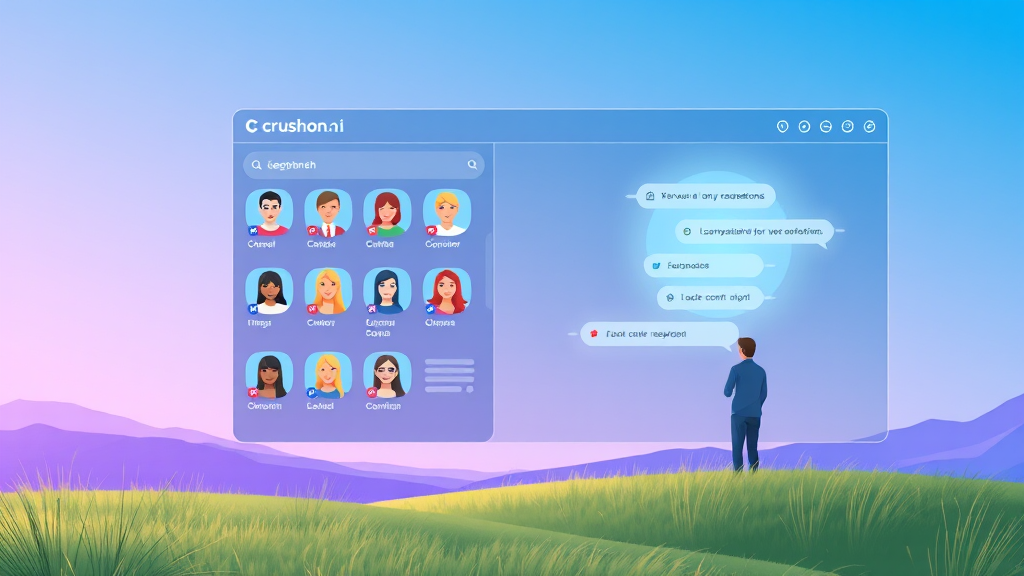
At its core, Crushon.ai is a web-based platform that lets users interact with AI-generated characters through text-based chat. Rather than presenting a single generic assistant, the site hosts a wide range of personas. Each character comes with its own name, appearance, personality traits, and conversational tone. Some are designed for casual companionship, others for roleplay scenarios, creative storytelling, or simply experimenting with how different personalities respond to the same prompts.
The appeal is not hard to understand. Traditional chatbots tend to feel transactional: you ask, they answer, the conversation ends. Companion-style platforms aim for continuity. They try to maintain context across a session, respond with emotional nuance, and adapt their tone based on how the user engages. That shift from utility to relationship is what separates this category from earlier generations of conversational software.
The platform is browser-accessible, which lowers the barrier to entry considerably. There is no complex installation, and users can typically begin a conversation within minutes of creating an account. For people who want to explore AI interaction without committing to a heavy technical setup, that accessibility matters.
The Technology Behind Character-Driven Chat
Under the hood, platforms like Crushon.ai rely on large language models fine-tuned or prompted to adopt specific personas. The model itself is general-purpose, but the character definition, system prompts, and conversation memory shape how it behaves. A well-designed persona will have consistent vocabulary, opinions, and emotional responses, which makes the interaction feel more believable.
Several technical ingredients make this work:
Persona conditioning. Each character is defined by a set of instructions that guide tone, interests, and boundaries. This is why two characters on the same platform can feel genuinely different rather than like the same bot wearing different names.
Context retention. Remembering earlier parts of a conversation is essential for believable companionship. Platforms invest heavily in memory systems that keep relevant details available without overwhelming the model with irrelevant history.
Safety and moderation layers. Because companion AI can drift into sensitive territory, most platforms implement content filters, age gates, and usage guidelines. These layers are imperfect but necessary for responsible operation.
Interface design. A clean chat interface, character discovery pages, and quick-start suggestions all contribute to how approachable the experience feels. Crushon.ai’s layout follows this pattern, prioritizing conversation over configuration.
Why AI Companions Are Gaining Traction
The rise of companion AI is not an isolated phenomenon. It sits at the intersection of several cultural and technological trends. Loneliness and social isolation have become widely discussed public health concerns in many countries. At the same time, people are increasingly comfortable with digital relationships, from social media friendships to online gaming communities. AI companions offer a low-pressure form of interaction that fits neatly into that landscape.
There is also a creative dimension. Writers use character-based AI to brainstorm dialogue, test how a protagonist might react in a scene, or explore alternative plot directions. Roleplayers use it to practice improvisation. Language learners sometimes use conversational AI to practice in a judgment-free environment. The same underlying technology serves entertainment, creativity, and skill-building.
Finally, there is simple curiosity. Many users try platforms like Crushon.ai because they want to see how far conversational AI has come. The experience of chatting with a character that remembers your name, references earlier jokes, and responds with apparent emotional awareness is genuinely novel, even for people who follow AI news closely.
Practical Considerations for New Users
Anyone exploring AI companionship platforms should approach them with clear expectations. These systems are sophisticated, but they are not sentient. They generate responses based on patterns in data, not genuine feelings or intentions. Understanding that distinction helps prevent unrealistic attachments and keeps the experience in perspective.
Privacy is another important consideration. Conversations with AI platforms may be stored, reviewed, or used to improve models, depending on the platform’s policies. Users should read the privacy documentation before sharing sensitive personal information. Using a pseudonym, avoiding real names of friends or family, and keeping financial details out of chats are sensible habits.
Cost structures vary. Some platforms offer free tiers with limited messages or features, while premium subscriptions unlock more characters, longer memory, or faster response times. It is worth checking what you get before committing to a paid plan.
Wellbeing deserves attention too. Companion AI can be a fun hobby, a creative tool, or a way to pass time. It should not replace human relationships or become a substitute for professional support during difficult periods. Used thoughtfully, it is entertainment and experimentation. Used compulsively, it can become isolating.
How Crushon.ai Fits Into the Broader AI Landscape
The conversational AI market is crowded. General assistants focus on productivity, search engines integrate chat features, and specialized platforms target everything from customer service to therapy-adjacent support. Crushon.ai occupies a specific niche: character-driven companionship and roleplay. That focus allows it to optimize for personality, narrative, and emotional texture rather than task completion.
This specialization is a strength. A platform designed for companionship can invest in memory, character variety, and conversational depth in ways a general assistant cannot. It can also build community features, such as character discovery, user-created personas, and rating systems, that make the experience richer over time.
The trade-off is that focused platforms depend on continued user engagement and responsible moderation. Balancing openness with safety is an ongoing challenge for the entire category, and how well platforms handle it will shape which ones endure.
What the Future Holds for Companion AI
Several developments seem likely in the coming years. Voice interaction is already expanding, and multimodal models that can see, hear, and respond in real time will make companions feel more present. Persistent memory across sessions will improve, allowing characters to recall long-term details rather than resetting. Personalization will deepen, with characters adapting to individual users’ preferences over time.
There will also be more scrutiny. Regulators, researchers, and ethicists are paying close attention to emotional AI and its effects on vulnerable users. Expect clearer age verification, transparency about data use, and guidelines around what companion AI should and should not do. Platforms that treat these issues seriously will likely earn more trust.
For now, Crushon.ai represents a snapshot of where the category stands: accessible, character-rich, and evolving quickly. It is a useful case study for anyone interested in how AI is moving from tool to companion, and what that shift means for the way we interact with machines.
Frequently Asked Questions
What is Crushon.ai?
Crushon.ai is a web-based platform for chatting with AI-generated characters. Each character has a distinct personality and backstory, and users can engage in text-based conversations for entertainment, roleplay, or creative exploration.
Is Crushon.ai free to use?
The platform typically offers a free tier with limited features, alongside premium options that unlock additional characters, longer memory, or faster responses. Exact pricing and features can change, so it is best to check the site directly for current details.
Can I use Crushon.ai for creative writing?
Yes. Many users treat character-based AI as a brainstorming partner for dialogue, character development, and plot ideas. It can be particularly useful for testing how a fictional persona might respond in different scenarios.
Is my conversation data private?
Privacy practices vary by platform and may change over time. Before sharing personal details, review the privacy policy and consider using a pseudonym. Avoid sharing sensitive information such as financial data or others’ personal details.
Are AI companions a replacement for human relationships?
No. AI companions are tools for entertainment and experimentation. They do not replace genuine human connection or professional support. Used in moderation, they can be fun and creatively stimulating.
What technology powers platforms like Crushon.ai?
They rely on large language models shaped by persona prompts, memory systems, and moderation layers. These components work together to produce consistent, context-aware conversations with distinct characters.
Final Thoughts
Conversational AI is maturing quickly, and platforms like Crushon.ai show what happens when the focus shifts from answering questions to building rapport. The technology is impressive, the use cases are diverse, and the ethical questions are real. For users who approach it with curiosity and clear boundaries, it offers a genuinely new kind of digital experience. For the industry, it raises important questions about memory, moderation, and the meaning of companionship in an age of intelligent machines.